Gage Park Staff Building
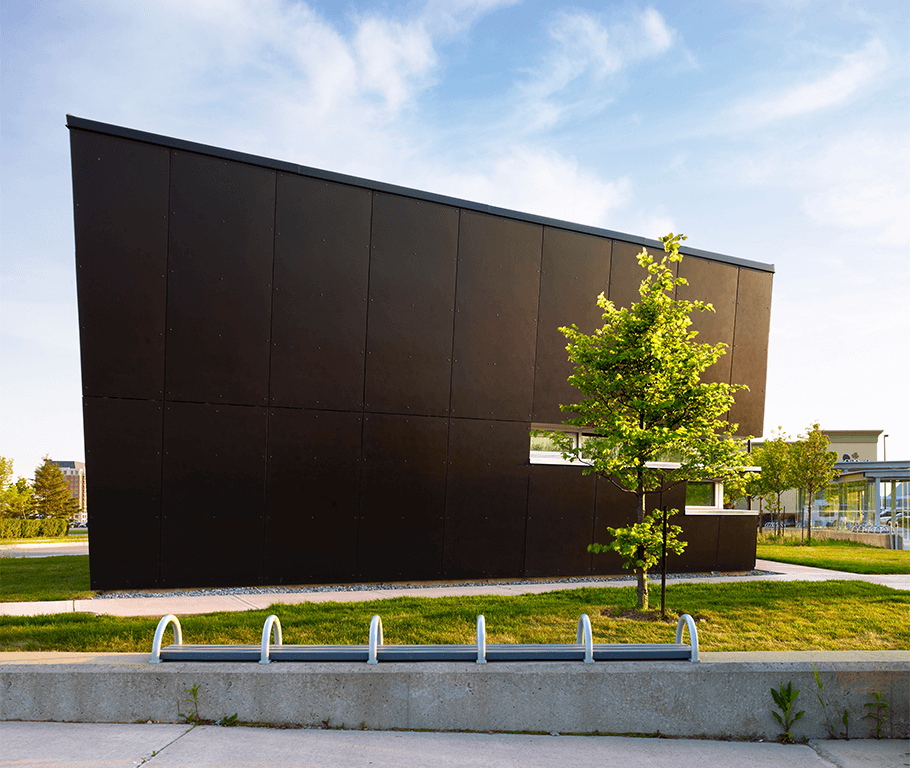
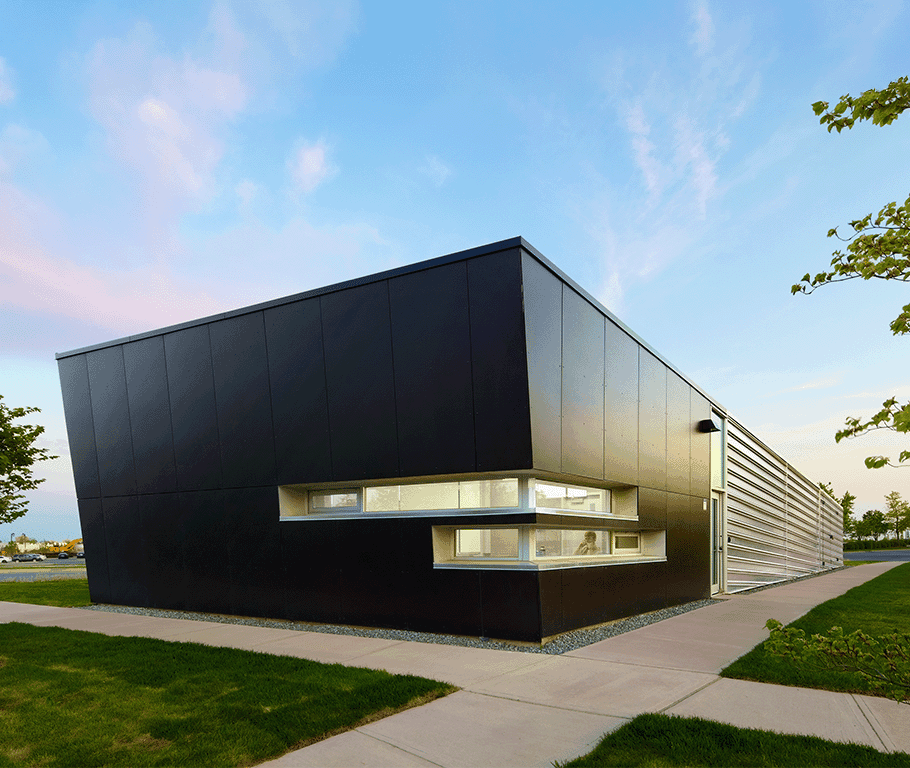
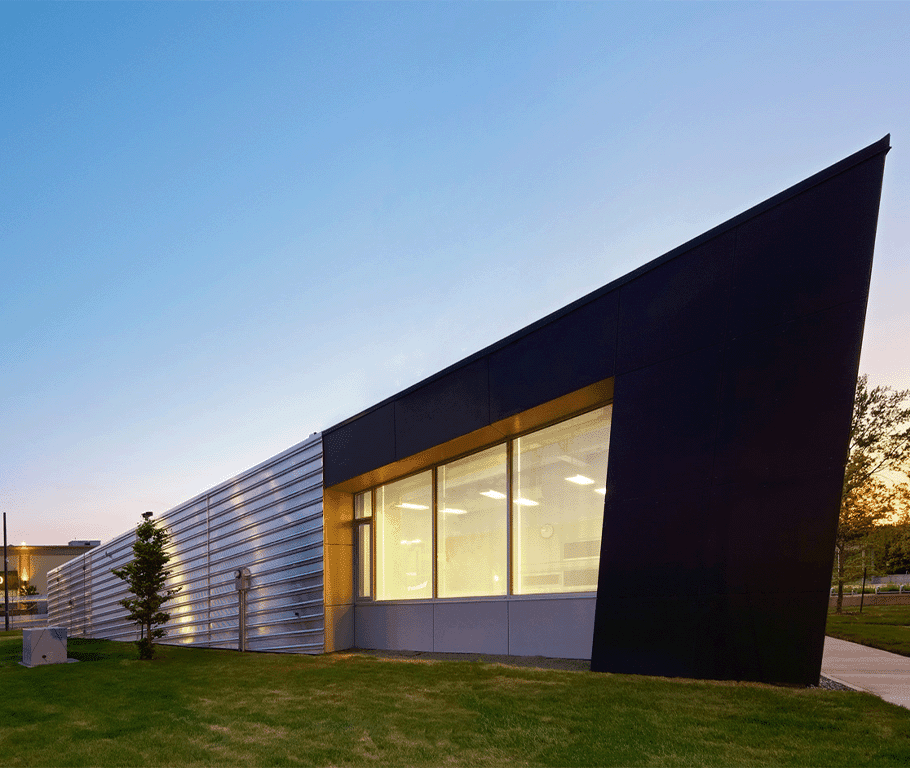
We were commissioned by the City of Hamilton to conduct a feasibility study to determine whether Gage Park, an outdated staff and planting facility, should be renovated or replaced in order to best meet the City’s current needs. Working in collaboration with the City Facilities team, we consulted with users of the existing facility to establish a comprehensive set of program requirements and concurrently investigate the project’s opportunities and constraints.
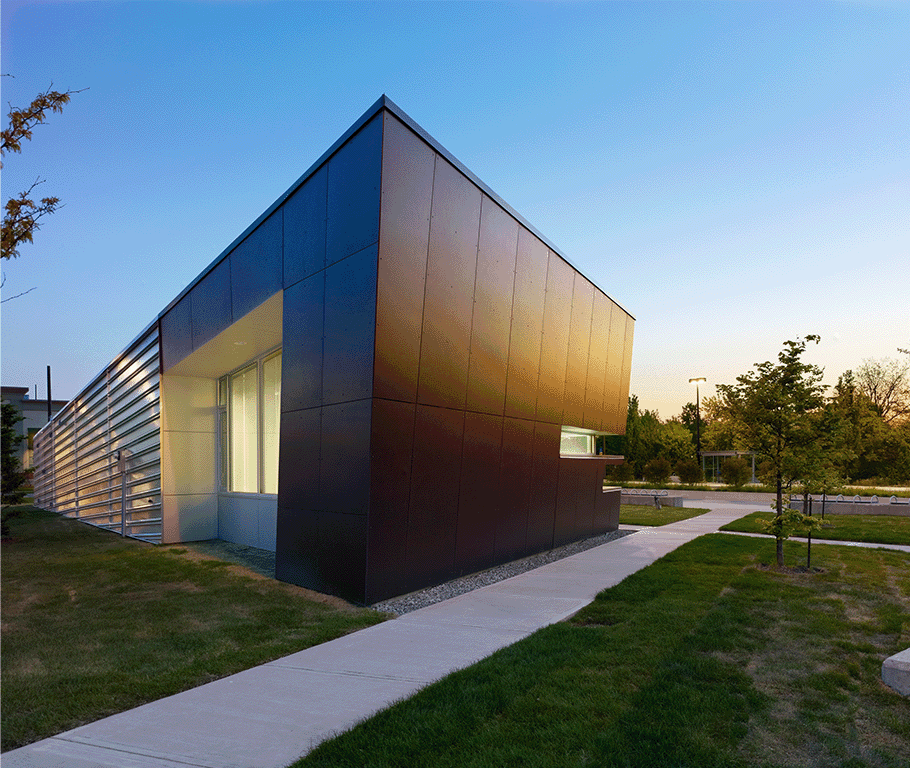
Our team advanced two design options — a renovation scheme and a replacement scheme — that manifest the City’s objectives: to create a facility that demonstrates a commitment to sustainability through Zero-Carbon design while enhancing functionality and delivering universal accessibility. To meet Zero-Carbon sustainability targets, our schemes incorporate materials that are low in embodied carbon and implement high-performance envelopes and systems to minimize or offset the building’s annual carbon emissions.
Our feasibility report for The Redevelopment of the Gage Park Staff Building presents two approaches: an extensive renovation of the existing facility and the construction of a new building within the same footprint. The report includes background information on the site and existing facility, a rationale for the redevelopment, a discussion of requirements and design considerations, functional and space program analyses, two conceptual designs with narrative explanations and visual representations, details of the Zero-Carbon design strategy for each option, Class D cost estimates for both options, and an evaluation of the advantages and disadvantages of each approach.
Our team advanced two design options — a renovation scheme and a replacement scheme — that manifest the City’s objectives: to create a facility that demonstrates a commitment to sustainability through Zero-Carbon design while enhancing functionality and delivering universal accessibility. To meet Zero-Carbon sustainability targets, our schemes incorporate materials that are low in embodied carbon and implement high-performance envelopes and systems to minimize or offset the building’s annual carbon emissions.
Our feasibility report for The Redevelopment of the Gage Park Staff Building presents two approaches: an extensive renovation of the existing facility and the construction of a new building within the same footprint. The report includes background information on the site and existing facility, a rationale for the redevelopment, a discussion of requirements and design considerations, functional and space program analyses, two conceptual designs with narrative explanations and visual representations, details of the Zero-Carbon design strategy for each option, Class D cost estimates for both options, and an evaluation of the advantages and disadvantages of each approach.
Project Information
Type
Community
Location
Hamilton, ON
Client
City of Hamilton
Year
2025
Size
16,800 sf
Team
Tania Bortolotto, OAA, ARIDO
Alex Horber, OAA
Tahir Pervais, OAA Intern
Alex Horber, OAA
Tahir Pervais, OAA Intern