close menu icon

Jeunes Sans Frontières Elementary School

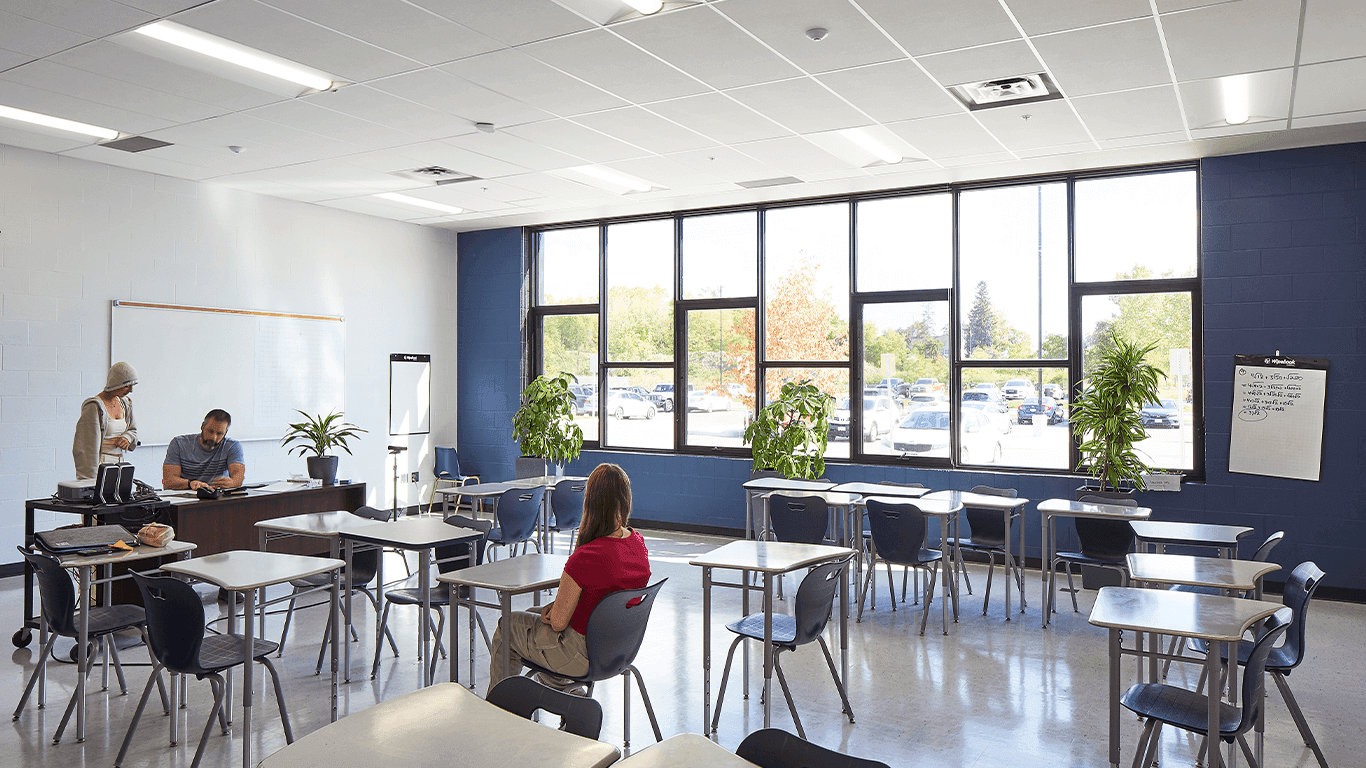
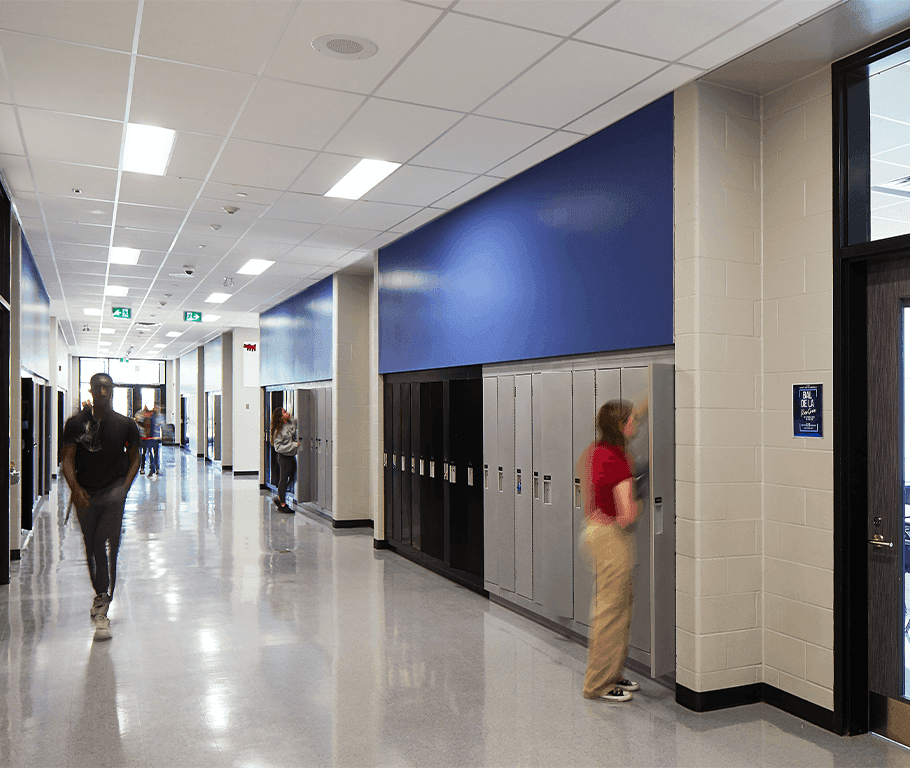
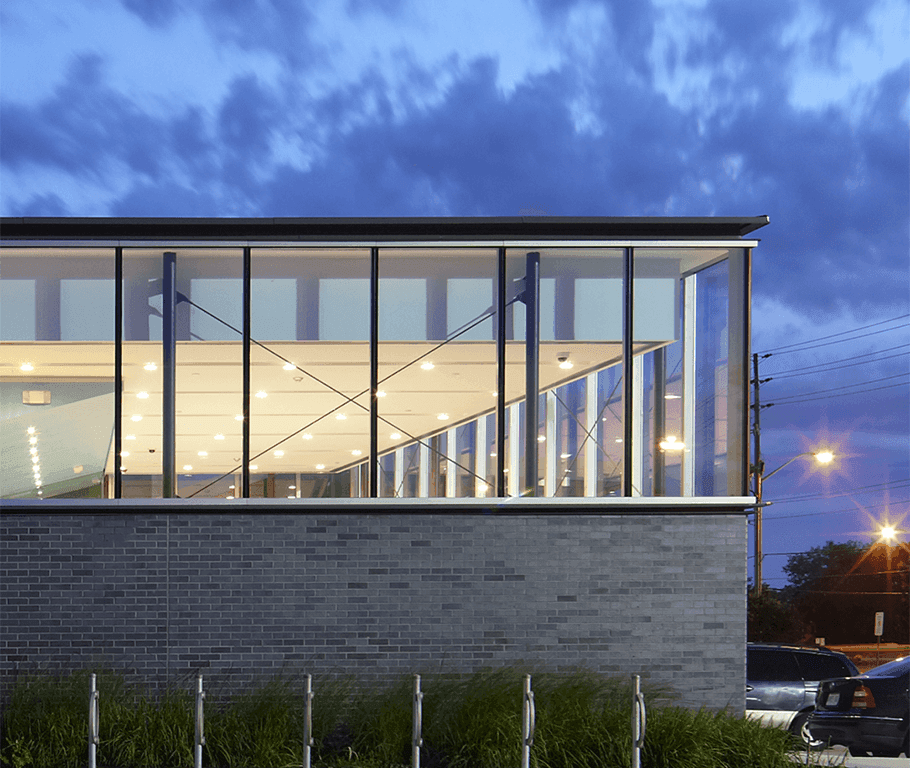
This educational expansion project adds a 13,000-sf second floor to an existing high school to accommodate over 200 Grade 7 and 8 students. The program includes nine classrooms that integrate advanced teaching and learning technologies, complemented by wide corridors designed to foster social interactions. These corridors feature built-in seating areas strategically placed between banks of lockers, creating inviting spaces for student engagement, while a generous three-dimensional clerestory window floods the corridor with natural light.

Due to the congested nature of the site, we first undertook a feasibility study to explore several potential options for expanding the facility above different sections of the existing building. Our comprehensive study explored the structural limitations of the existing building and soil, access to the addition from the rest of the school, phasing and construction logistics, and the estimated construction costs. To accomplish the construction, we leveraged staff areas in the current building to achieve a phasing strategy that minimized classroom disruptions

The final design responds to existing structural conditions and optimizes circulation. Because the addition sits above and adjacent to existing structures that were not originally intended to support a second storey, we pursued specific structural and material strategies to minimize cost and maximize efficiency. The second floor combines precast concrete with existing masonry to reduce the thickness of the structure and provide fire resistance. The second floor roof is supported by a largely separate steel structure to allow for long spans and maximize the flexibility of the column grid while minimizing further load on the existing ground floor structure and minimizing underpinning.

Project Information

Type
Education
Location
Brampton, ON
Client
CS Viamonde
Year
2023
Size
13,168 sf

Team
Tania Bortolotto, OAA, ARIDO
Alex Horber, OAA
Sarah Fourie, Designer
Elaine Welsher, OAA Intern
Yukun Bai, Junior Architect

Père-René-de-Galinée Catholic Secondary School

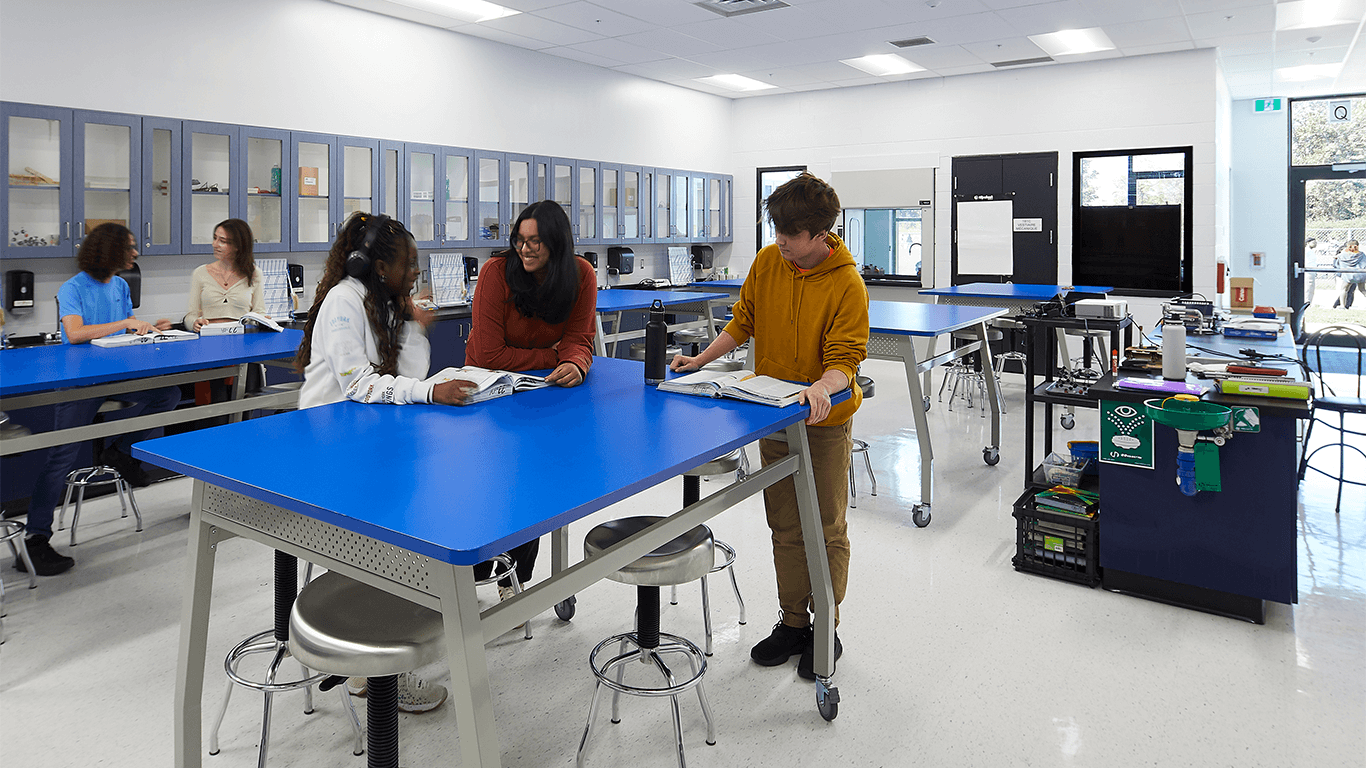
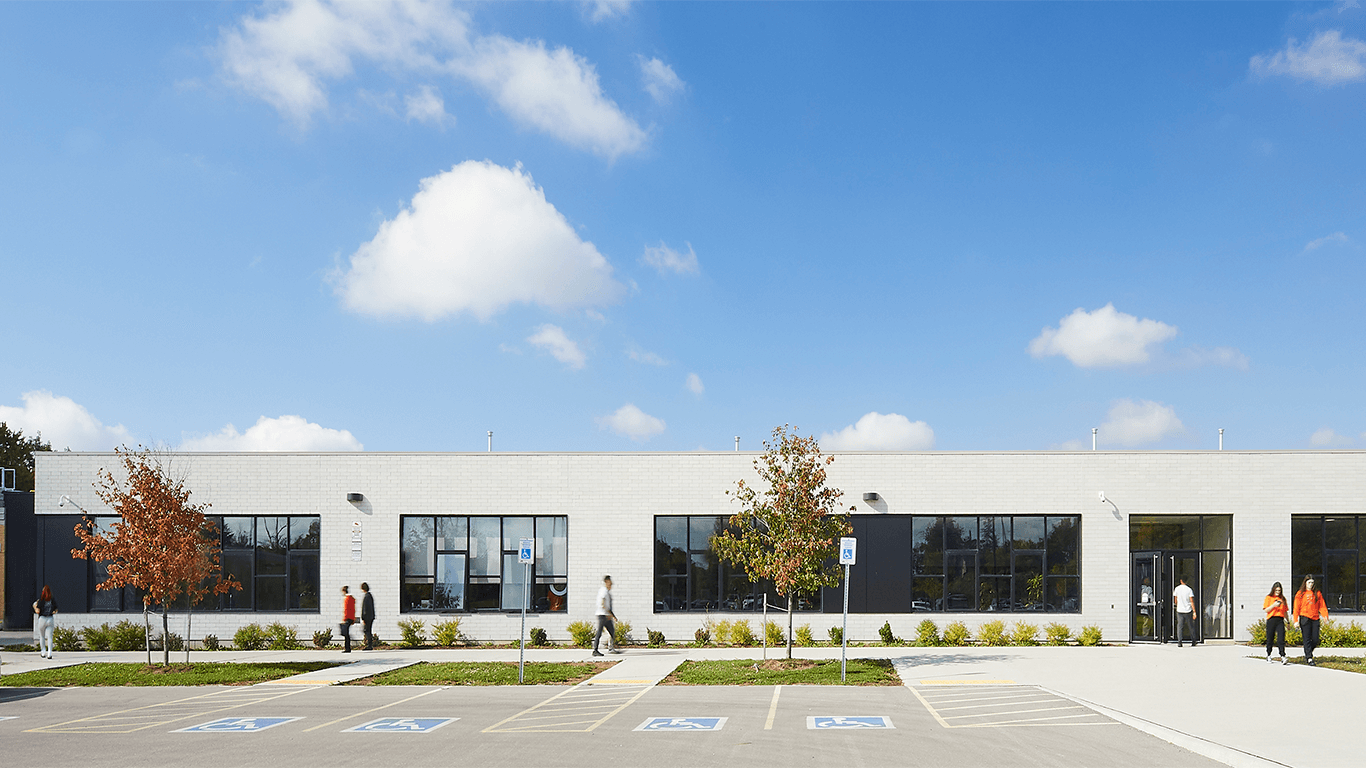
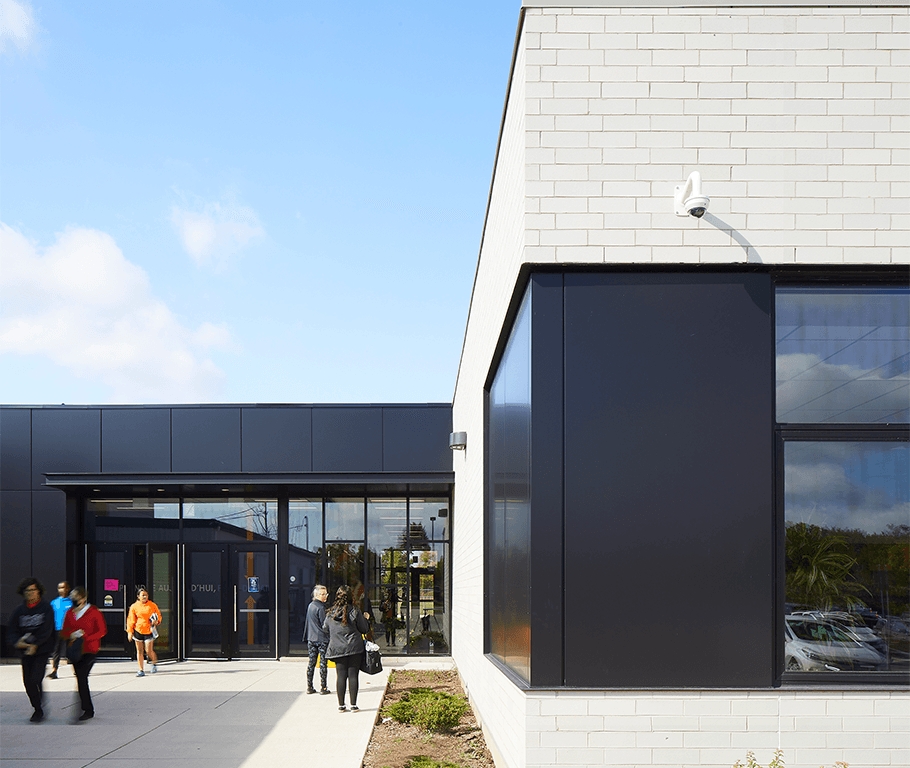
The scope of this expansion project, which added several new standard and specialized classrooms to the existing high school, also entailed significant modifications to the site with respect to grading and circulation. The site plan required the accommodation of increased bus traffic, preservation of pathways to the school’s track and adjacent fields, and rerouting of an existing swale that was serving as a drainage corridor for numerous neighbouring properties and protecting a river course on the opposite side of the site. 

Eschewing traditional and rigid classroom layouts in favour of more dynamic and versatile spaces, our design supports various teaching methods, individual study, collaboration, experiential learning, and socializing. Contemporary classroom design should result in social and learning condensers and encourage the creation of meaningful relationships and lifelong memories.

After exploring various schemes to execute this complex brief, which required reimagining significant outdoor components, we adopted a long double-loaded plan. This allowed us to preserve existing paths across the rear of the site through a crossing corridor that enables easy access from parking areas to the gymnasium and out to the existing athletic field. Views of the adjacent river and rural landscape are framed by large windows and high ceilings in the classrooms and corridors.

Project Information

Type
Education
Location
Cambridge, ON
Client
Mon Avenir
Year
2021
Size
21,627.60 sf

Team
Tania Bortolotto, OAA, ARIDO
Alex Horber, OAA
Sarah Fourie, OAA Intern
Bijan Ghazizadeh, OAA Intern
Elaine Welsher, OAA Intern


Mathematics & Finance Learning Nexus

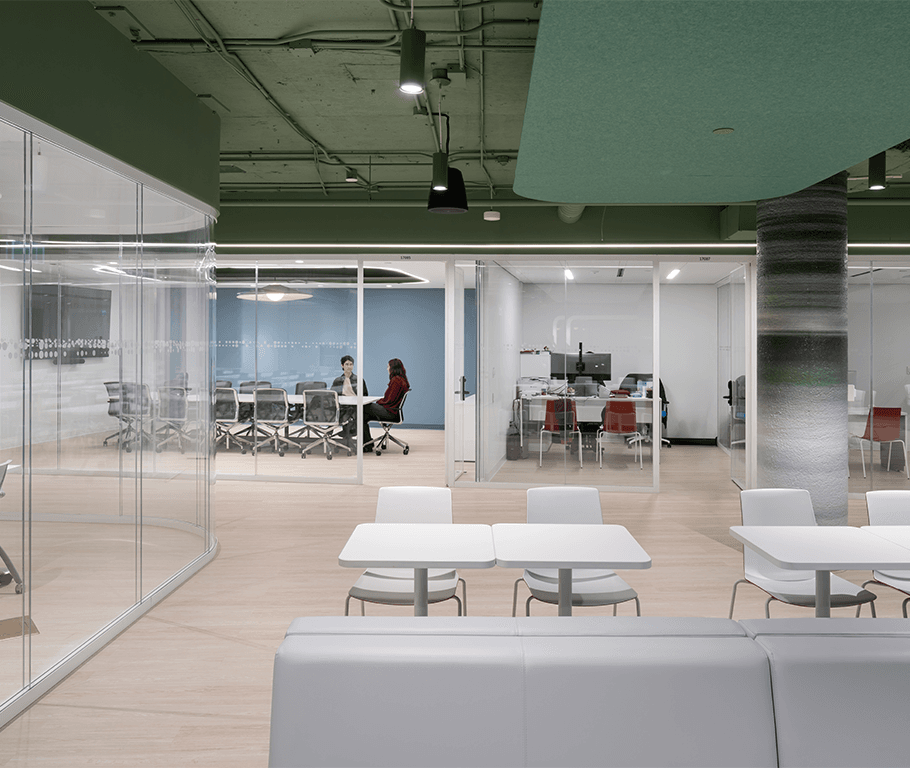
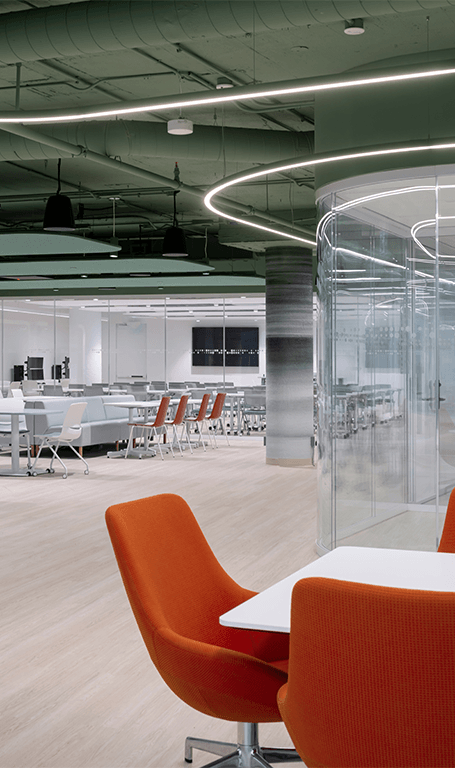
The MMF Department at the University of Toronto embarked on a growth trajectory to advance its mission and expand student enrollment by establishing two new distinct student streams: one dedicated to Executive Training and another focused on fostering collaborative industry partnerships and projects, extending the success of the MMF internship program. 

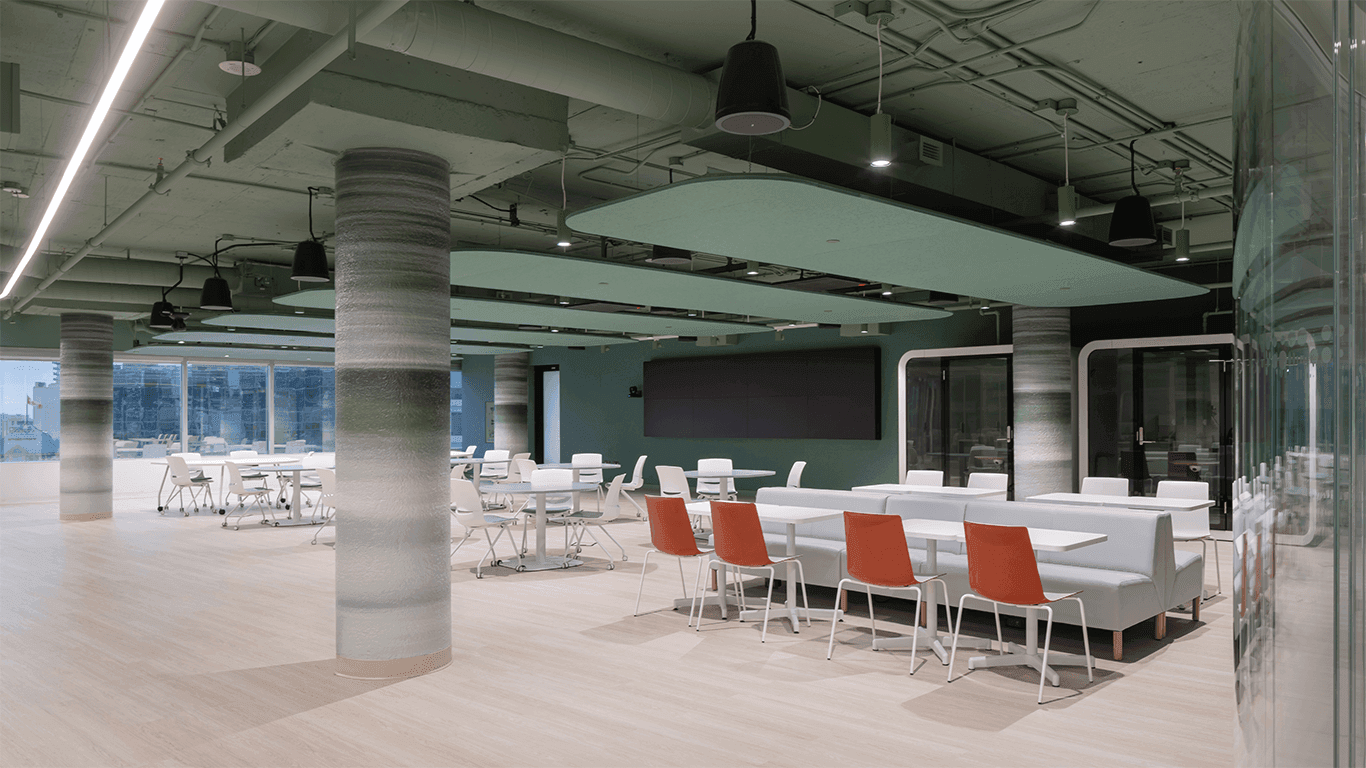
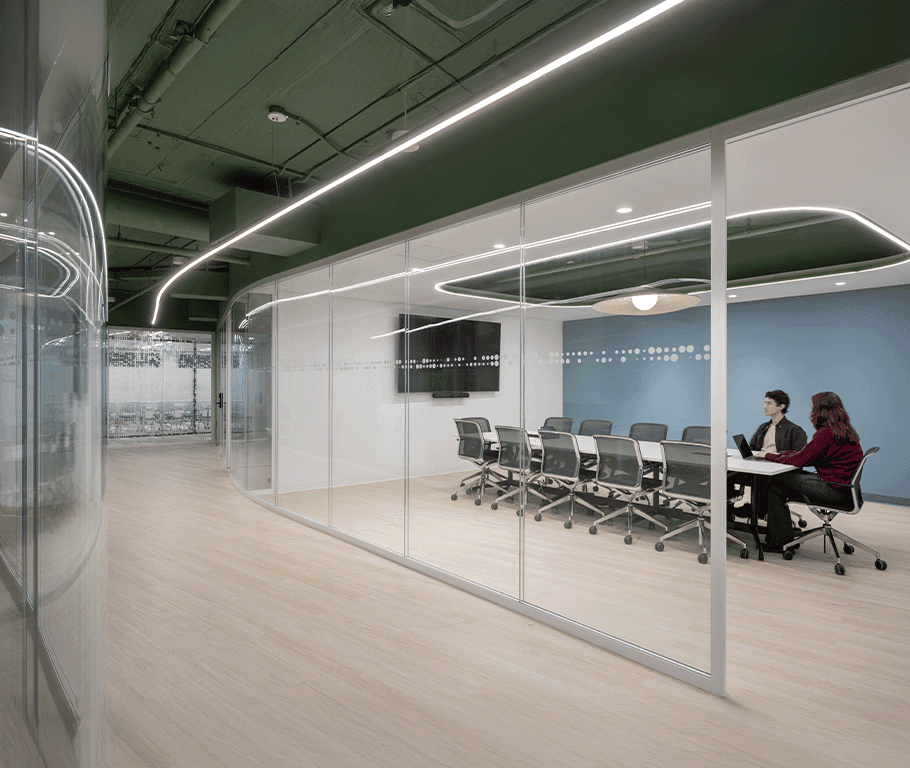
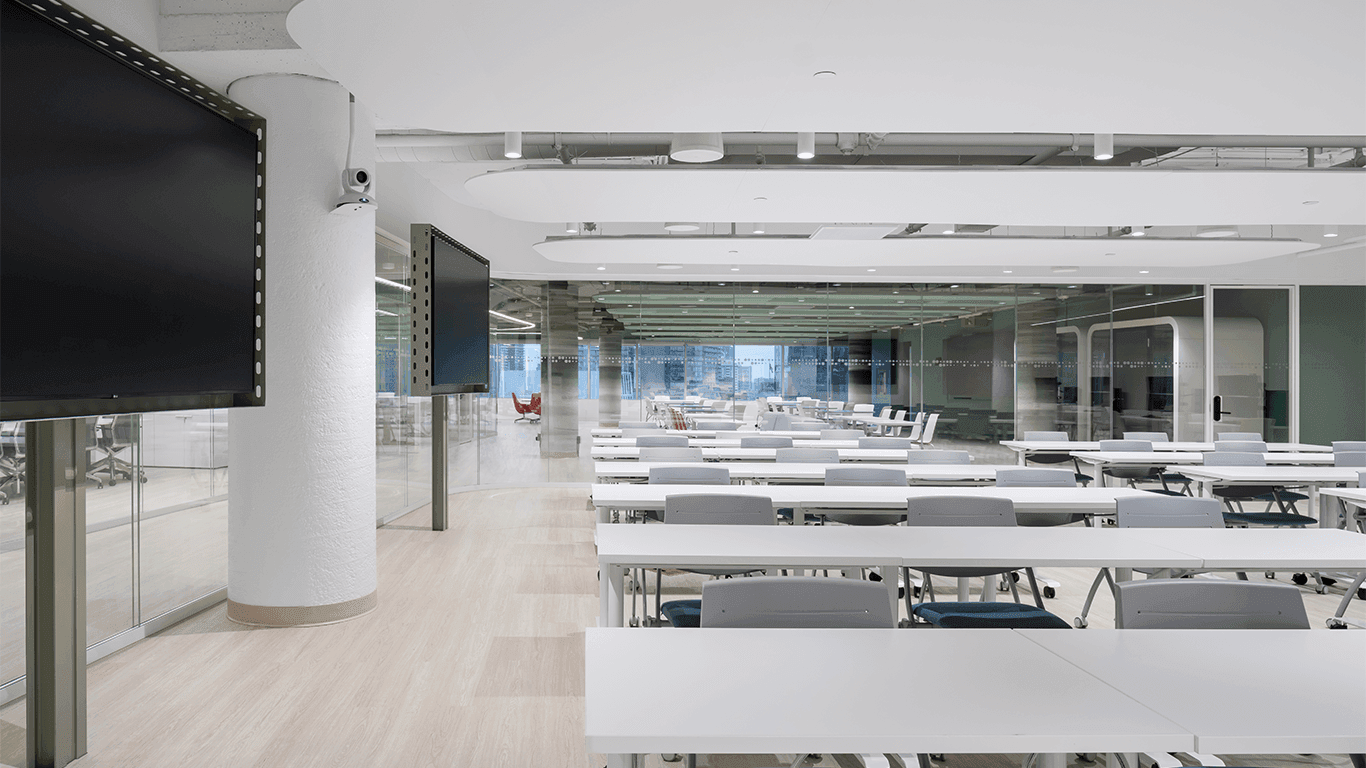
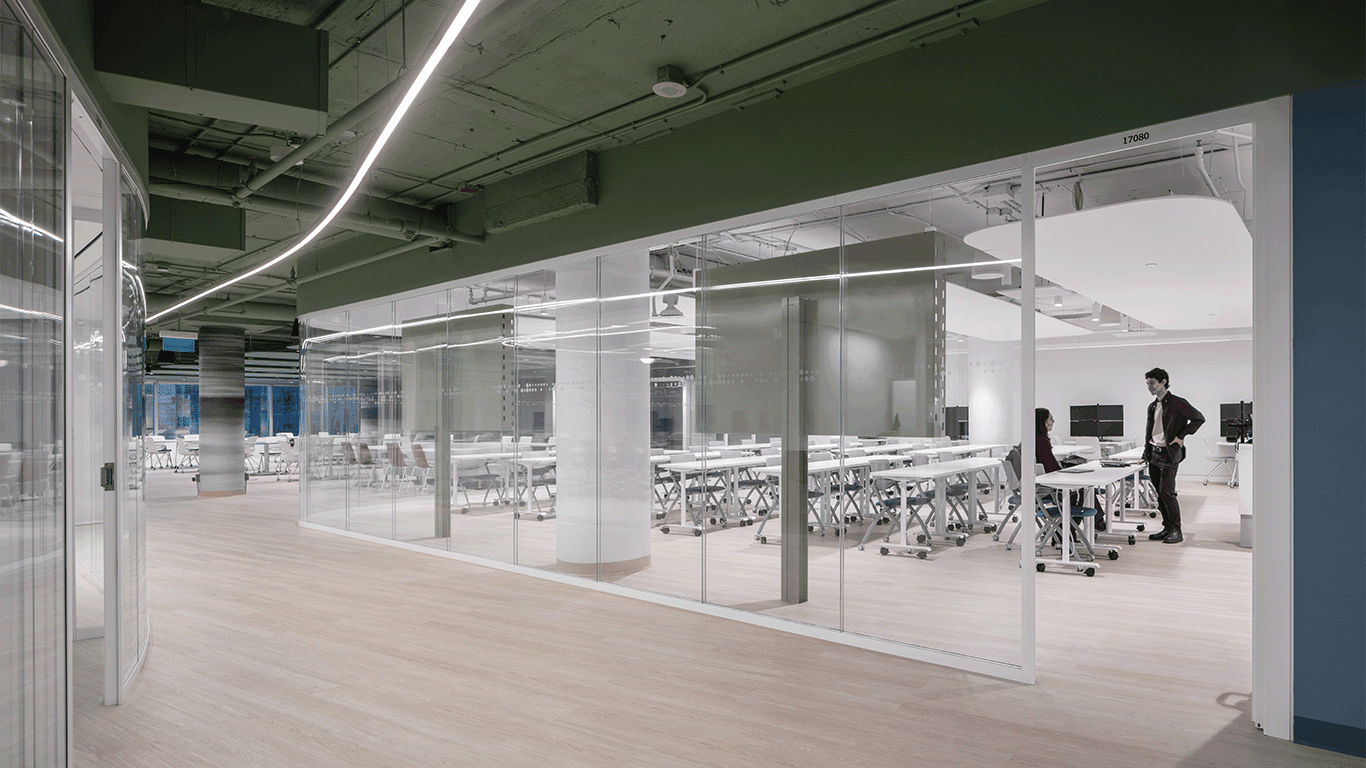
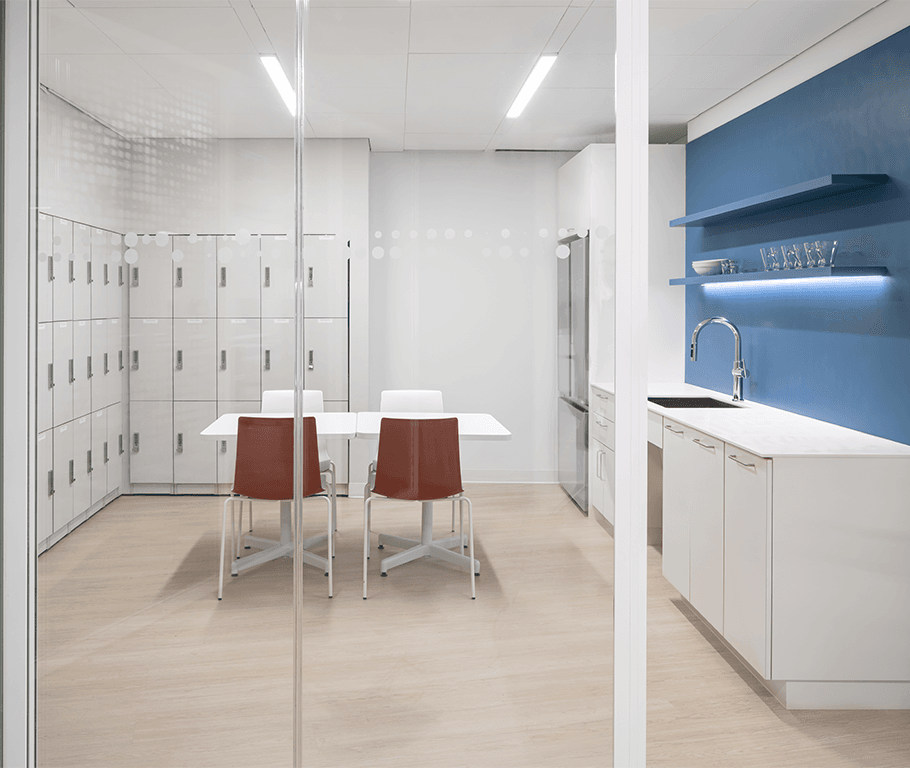
The 6,800-sf program encompasses various facilities for graduate students, such as a collaborative area equipped with meeting pods, a media wall, and a library, as well as a classroom/computer lab outfitted with Bloomberg stations and eight displays. The plan also includes a conference room, student and staff lounges and kitchens, administrative offices, and storage spaces.

To honour and accommodate the collaborative ethos that underpins the department’s work, we designed a learning experience for students that emphasizes group collaboration. We exposed the ceilings to regain height and create a more spacious atmosphere. The incorporation of hanging felt acoustic panels not only adds visual interest but also contributes to sound attenuation. Moreover, large expanses of double-glazed glass along the main corridor and classrooms bathe the space in natural light, fostering a bright and vital ambiance.

Project Information

Type
Educational | Commercial
Location
Toronto, ON
Client
University of Toronto
Size
6,890 sf

Team
Tania Bortolotto, OAA, ARIDO, LEED AP
Alex Horber, OAA, LEED AP
Yukun Bai, OAA Intern

Awards & Press

Awards
Press
Master of Mathematical Finance, Toronto
Canadian Interiors, July 2025

Arts & Science Collaborative Hub

Working with the University of Toronto and Triovest, we undertook a complete redesign and fit-out of the 10th floor at 700 University Avenue. The objective of the project was to accommodate departments within the Faculty of Arts & Science that require an additional footprint while they pursue longer-term renovation and new building plans. 

We optimized floor area usage to ensure the effective use of space, with an emphasis on enhanced functionality or flexibility. Guided by key institutional principles related to user comfort and sustainability, we were also challenged to design a highly adaptable environment capable of evolving with different departments’ changing needs. We achieved this by integrating AV, IT, and power solutions within the raised floor and with the strategic positioning of wall partitions. This approach allows for spatial reconfigurations, as required, while providing a clean and efficient layout. 

The design balances both private and collaborative workspaces, ensuring maximum exposure to natural light. Workstations, private offices, and student learning areas are strategically arranged to enhance productivity and engagement. Shared spaces, including seminar and meeting rooms, as well as a common lounge, kitchen, work areas, and interview rooms offer versatility and encourage collaboration across disciplines.

Project Information

Type
Education | Commercial
Location
Toronto, ON
Client
University of Toronto
Year
2023
Size
28,113 sf

Team
Tania Bortolotto, OAA, ARIDO
Alex Horber, OAA
Yukun Bai, OAA Intern
Farah Elbatish, OAA Intern


McGregor Park Community Centre

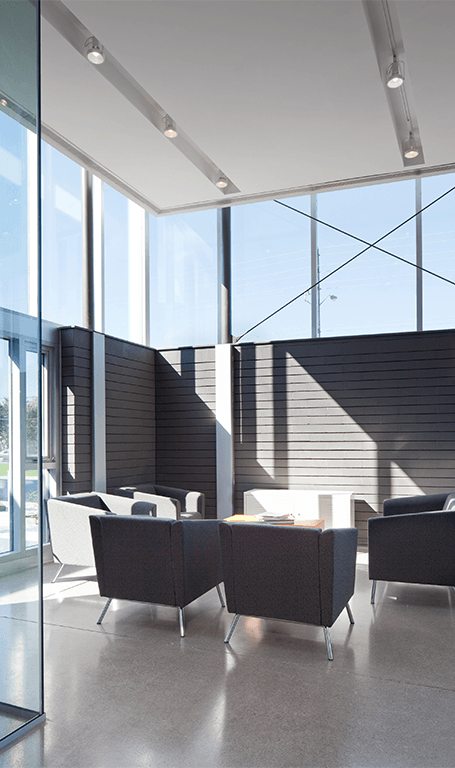
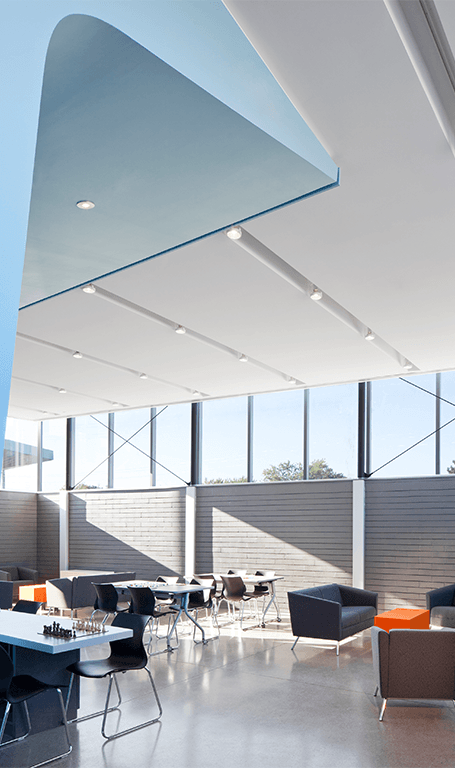
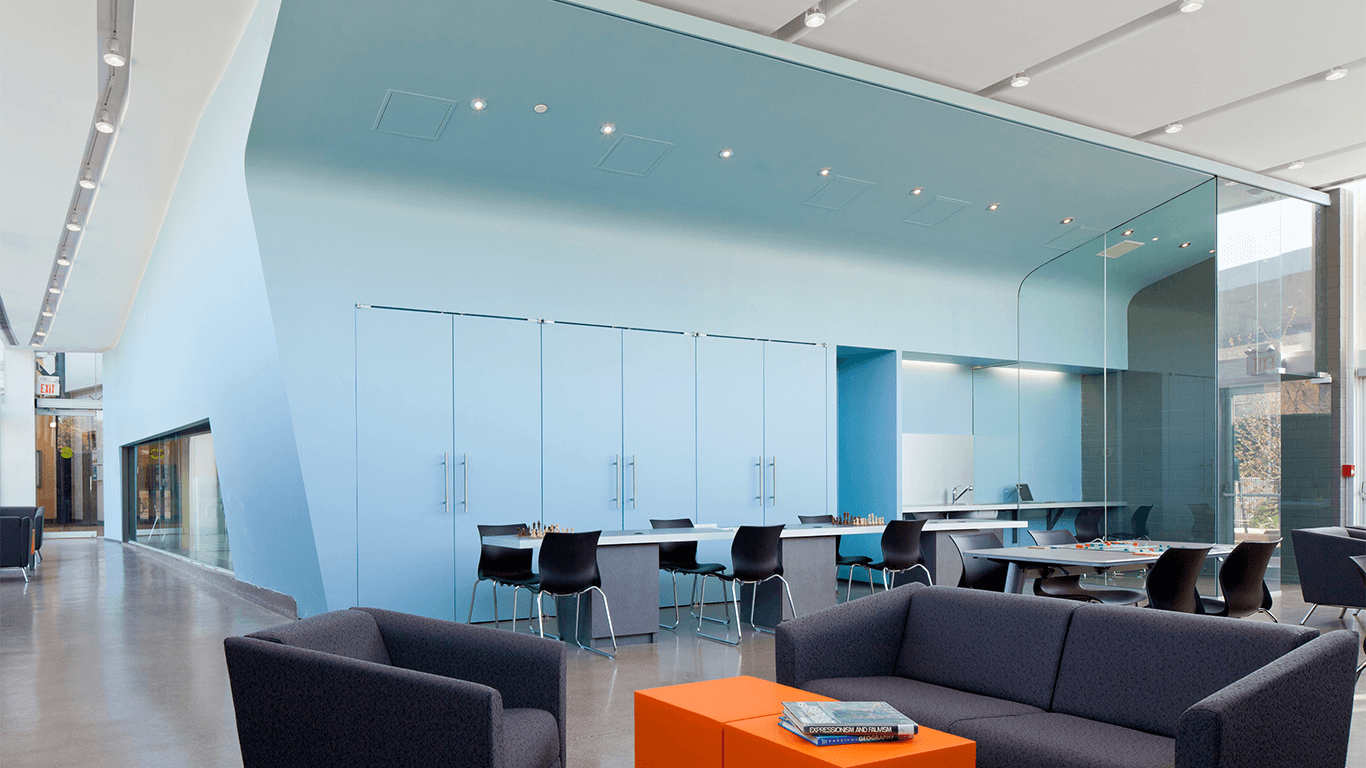
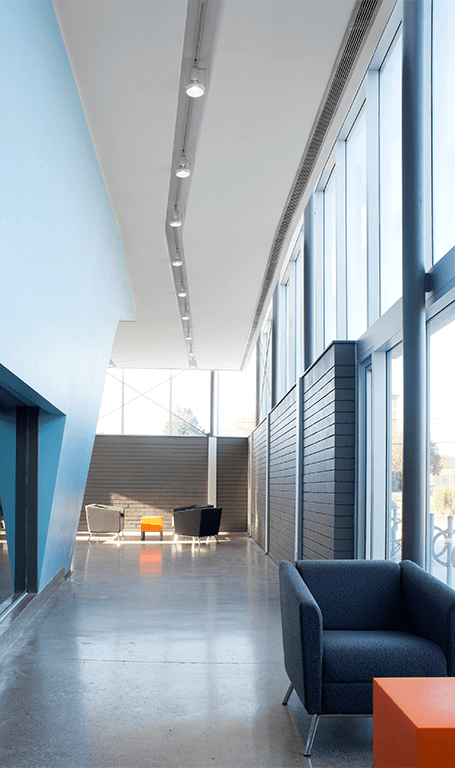
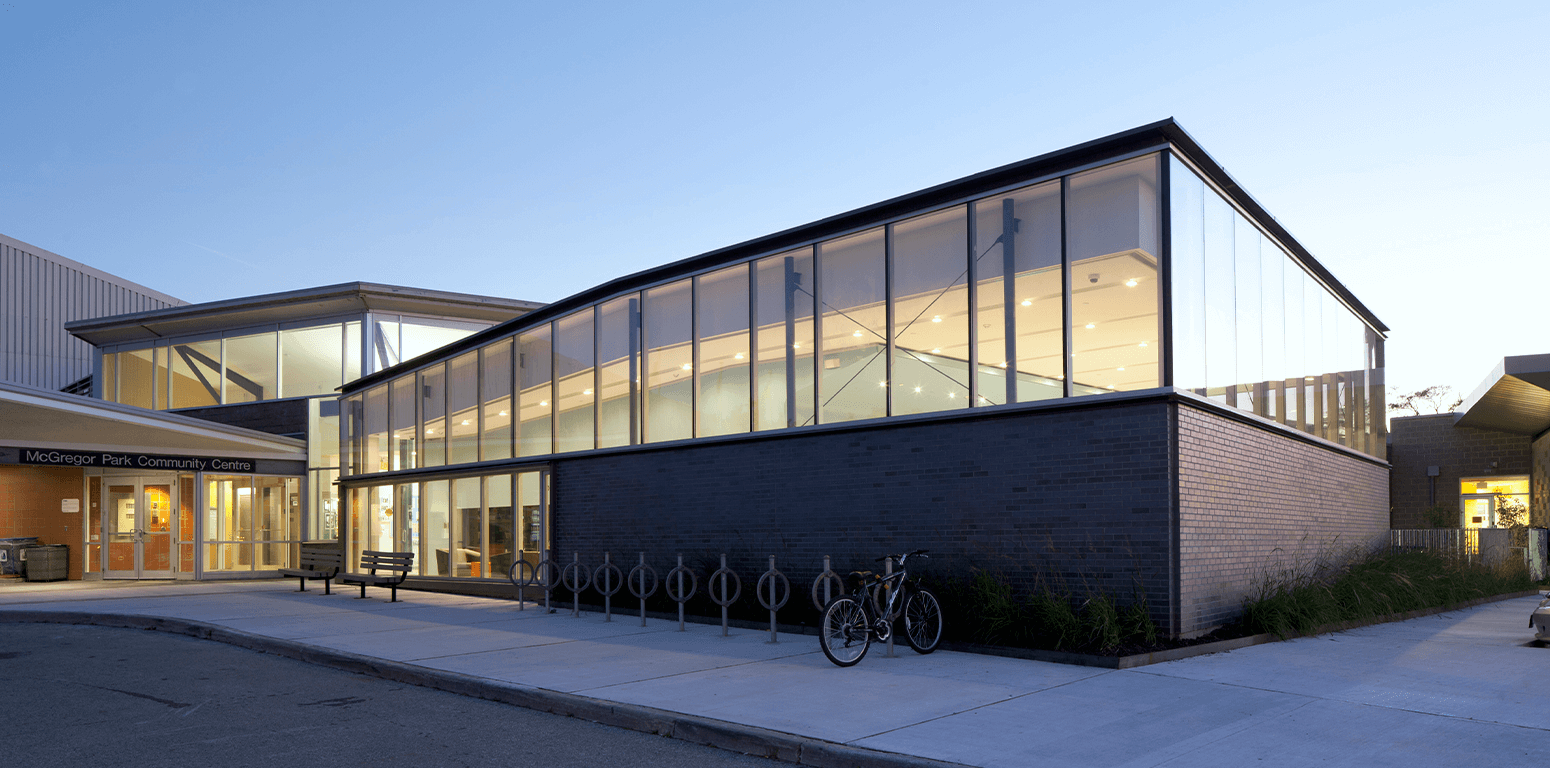
The McGregor Park Community Centre Youth Lounge project was one of 26 projects under the City of Toronto’s Priority Neighbourhoods program that received funding under a mandate to create new youth-centric recreational facilities.

In keeping with the project’s chief objectives — to create a safe and secure environment that is also appealing and welcoming — the new community space was designed with simplicity, durability, and cost-effectiveness in mind. We specified concrete floors and block walls as well as other low-maintenance materials to support a hardwearing program that includes a welcoming entrance, versatile youth space, kitchen, administrative area, storage, and an outdoor courtyard. Despite this emphasis on practicality and durability, the design has made a positive impact on the neighbourhood, serving as a lynchpin within the larger McGregor Community Centre. 

We pursued extensive public consultation to ensure alignment with community needs and aspirations. Local neighbourhood youth were actively engaged; we provided them with firsthand insights into the design and construction industries. Their involvement proved pivotal to the project’s success and helped them foster a sense of ownership and empowerment vis-à-vis the process and final space.

As a result of this collaborative effort, the center — now affectionately known as “The Commons” — is a modern, safe, and inviting lounge, tailored to the specific needs and aspirations of local teens. This thriving community hub contributes positively to the health, happiness, productivity, and overall well-being of neighbourhood residents who frequent the lounge.

Project Information

Type
Community
Location
Toronto, ON
Client
City of Toronto
Size
1,500 sf

Team
Tania Bortolotto, OAA, ARIDO
Alex Horber, OAA
Jerry Lin, OAA

Awards & Press

Awards
ARIDO Award of Merit, Public & Institutional Spaces
ARIDO, 2012


House in Kings Cross

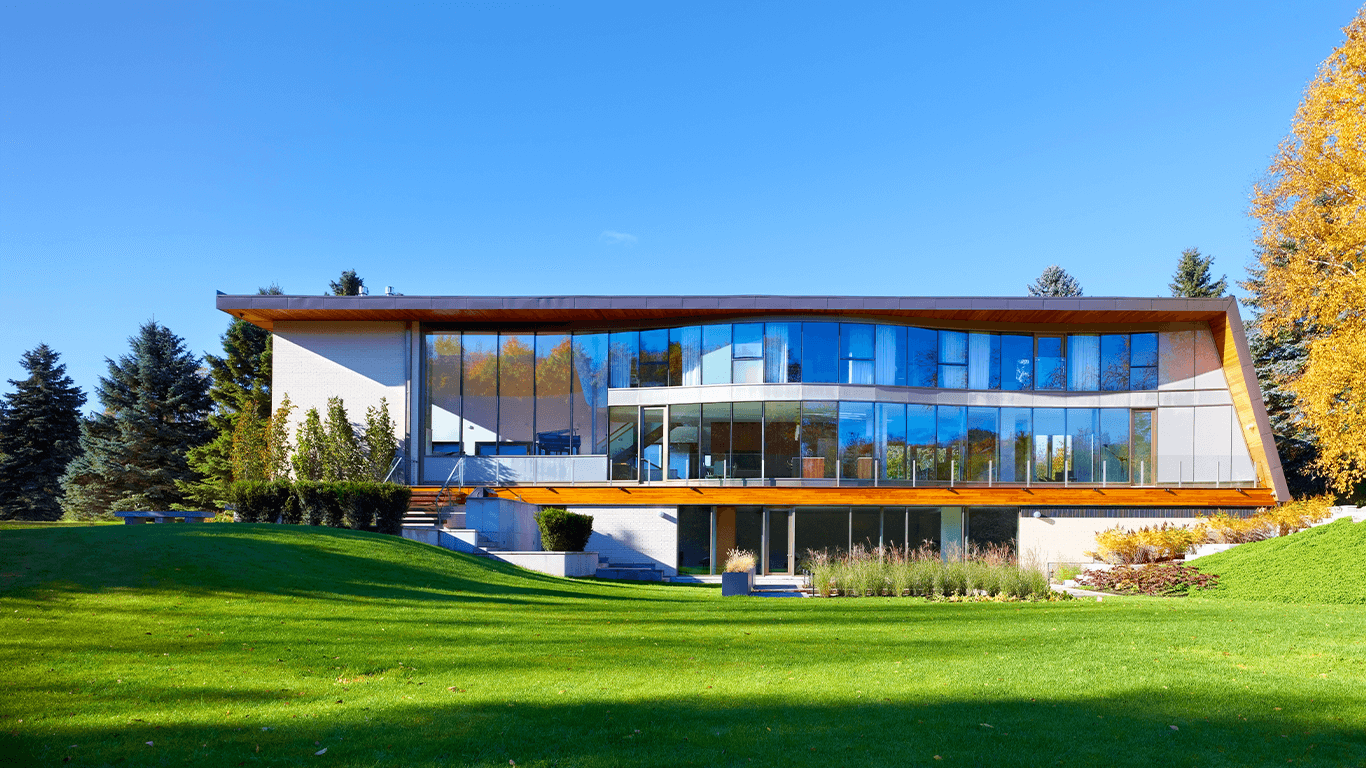
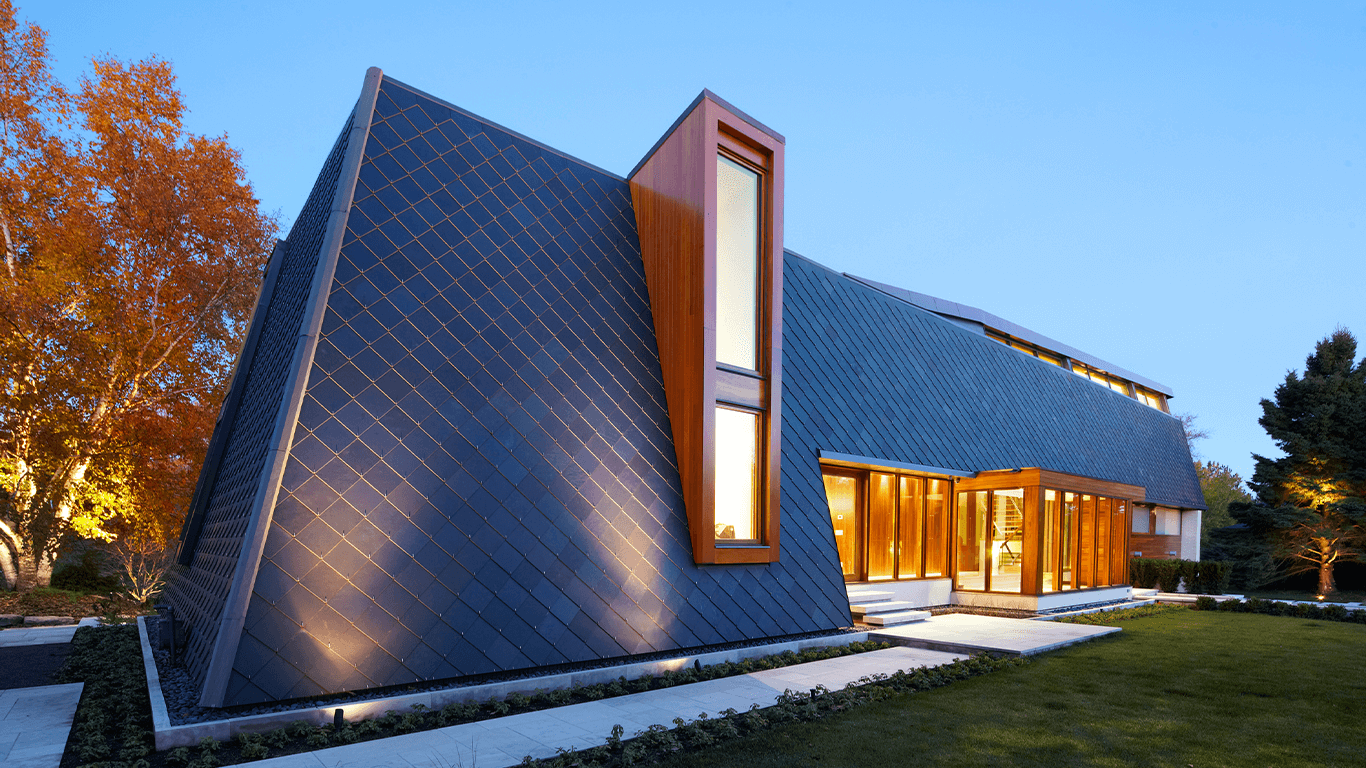
Located just north of Toronto, Kings Cross is an idyllic rural community with rolling streets and architecturally distinct houses dating back to the 1960s. House in Kings Cross is a new build whose style is thoroughly modern in both design and performance. Nestled into the landscape, the house occupies the footprint of a previous home to minimize ecological disruption and emphasize a deep connection to nature. 

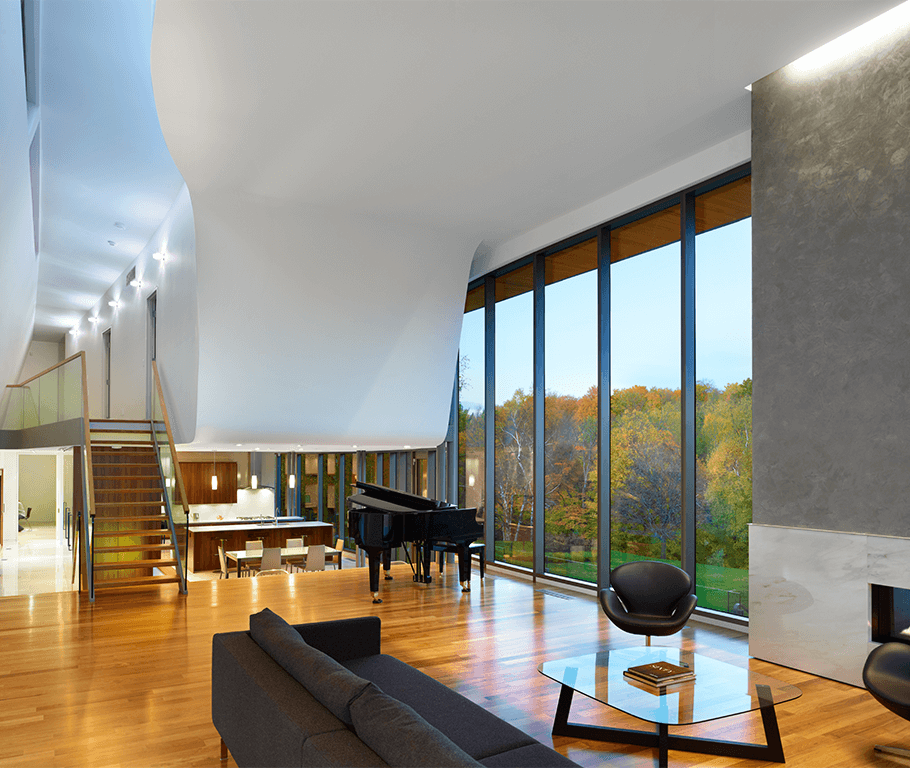
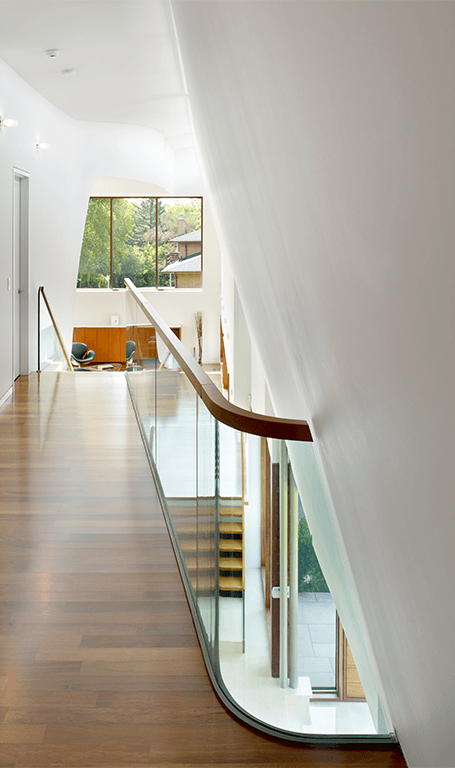
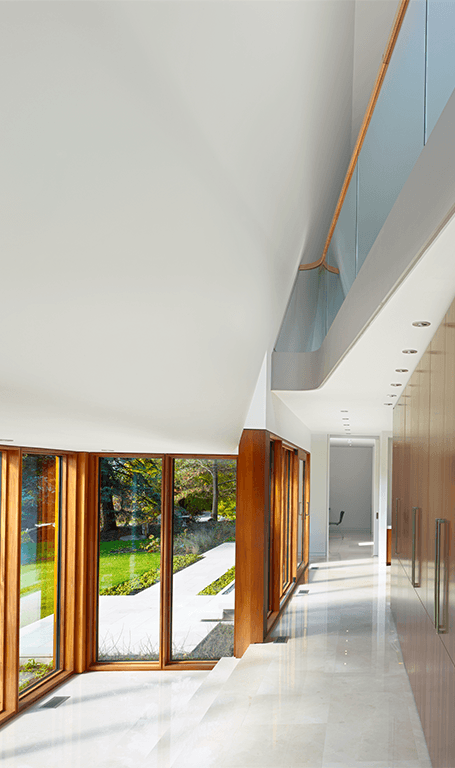
The oversized Mansard-style roof is the home’s most distinguishing feature. Reminiscent of a traditional stone roof, it behaves as a privacy screen from the street; the front and north-sloped façades are designed to be a folding plane that opens up at various levels towards the extensive ravine below. The interior design emphasizes space, form, light, and a connection to the natural world while providing varied experiences unique to each space.

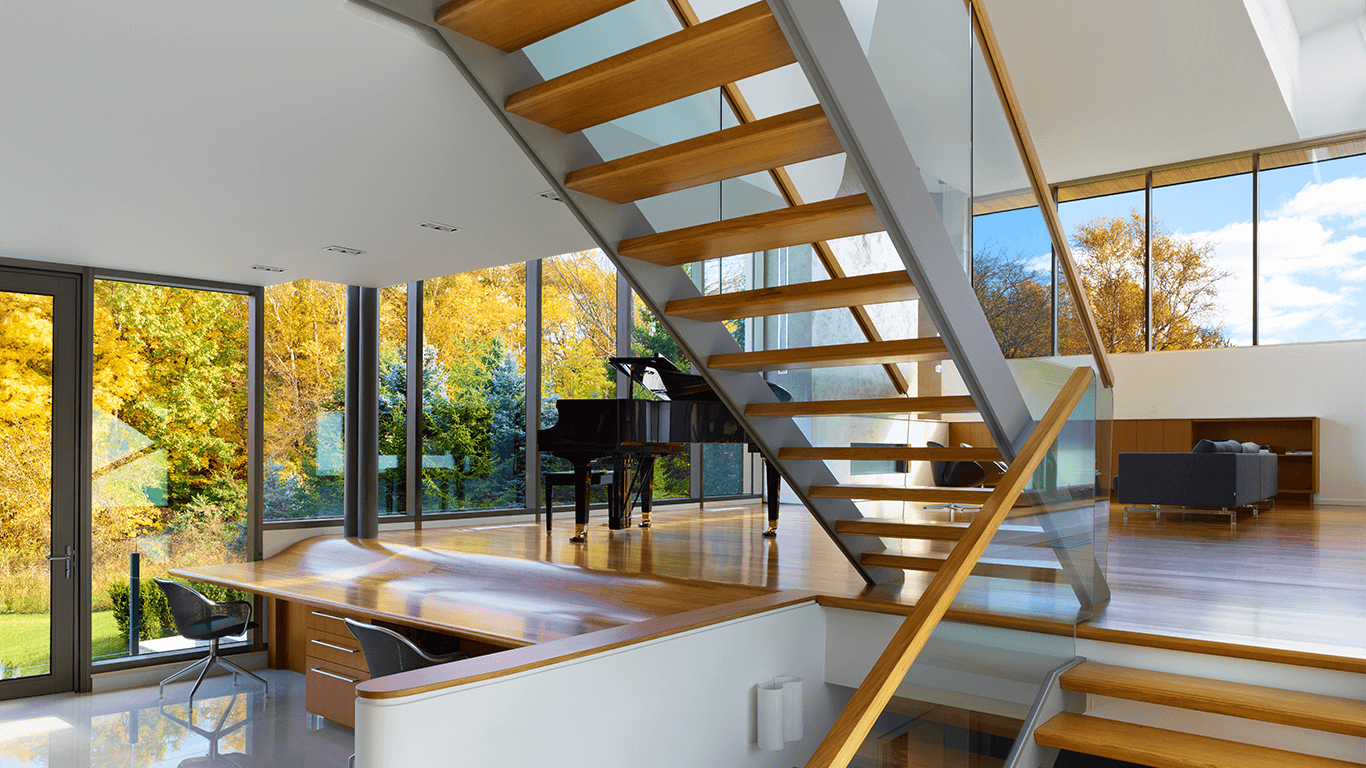
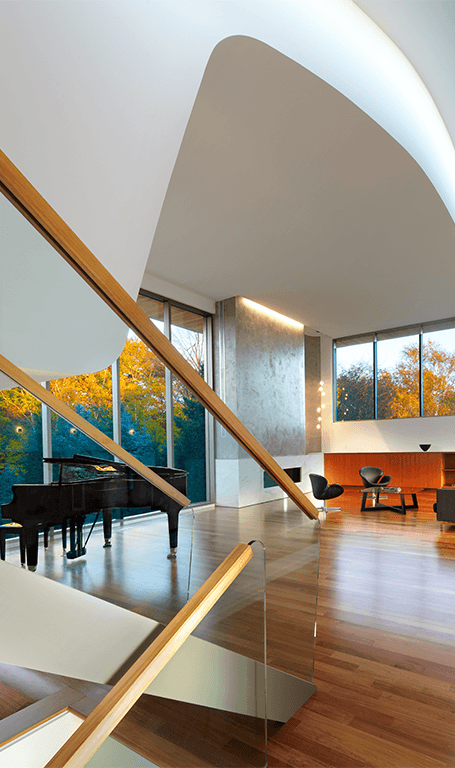
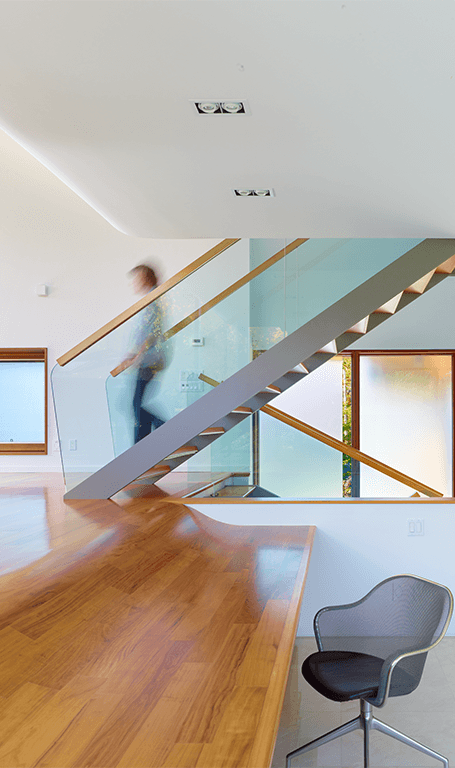
The materials, chosen for their natural properties and ability to endure the regional climate, reinforce the ethereal quality of the home. The main façades are clad in triple-layered slate, supported by stainless steel clips — a system that can last up to 100 years — complemented by wood-framed windows. The unblemished white interiors create fields to catch light. Stone, glass, and wood finishes add warmth and provide a neutral stage from which to view the changing seasonal colours.

The house features VOC-free materials and embraces passive-first strategies: the siting optimizes its orientation vis-à-vis solar mitigation, maximized daylight, and passive ventilation. Radiant flooring, geothermal heating and cooling, and photovoltaic technologies further reduce the home’s dependency on non-renewable energy sources. With a remarkable Energy Efficiency Rating of 80, House in Kings Cross achieved an Energy Star rating and surpassed R2000 requirements.

Project Information

Type
Residential
Location
King City, ON
Client
Private
Size
6,000 sf

Team
Tania Bortolotto, OAA, ARIDO
Alex Horber, OAA,
Jerry Lin, OAA,

Awards & Press

Awards
18th Annual Best of Canada Design Competition
Canadian Interiors, 2015

ARIDO Award of Merit
ARIDO, 2014
Press
One Fell Swoop
Canadian Interiors, November 2014

House in Kings Cross by BORTOLOTTO
Contemporist, July 2014

A New Slant On A Rural Home
The Globe And Mail, December 2013


Bezier Curve House

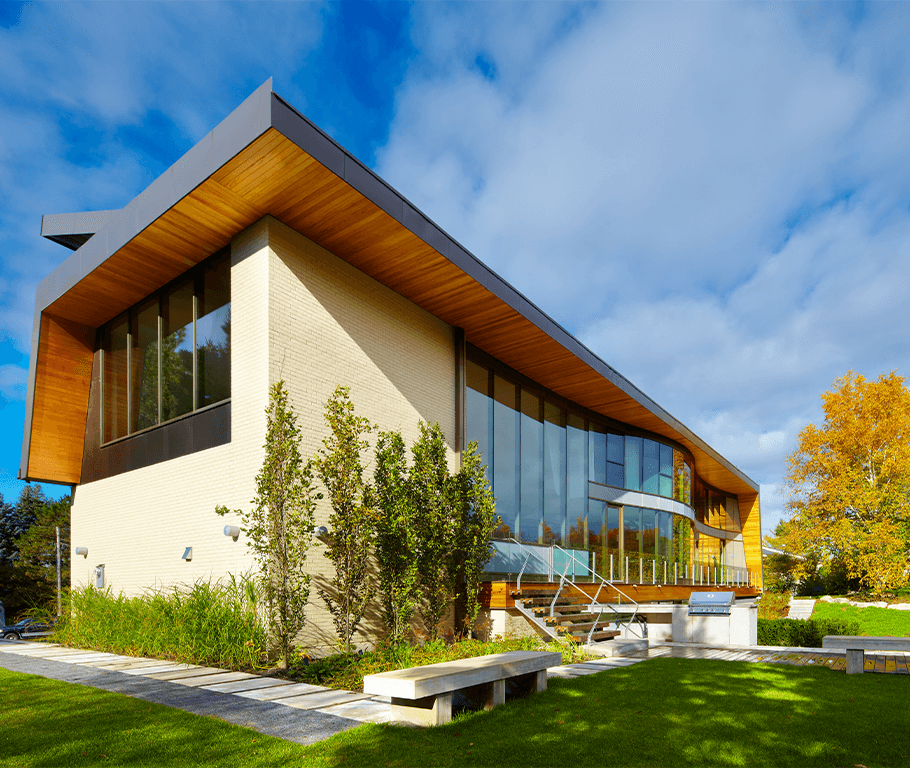
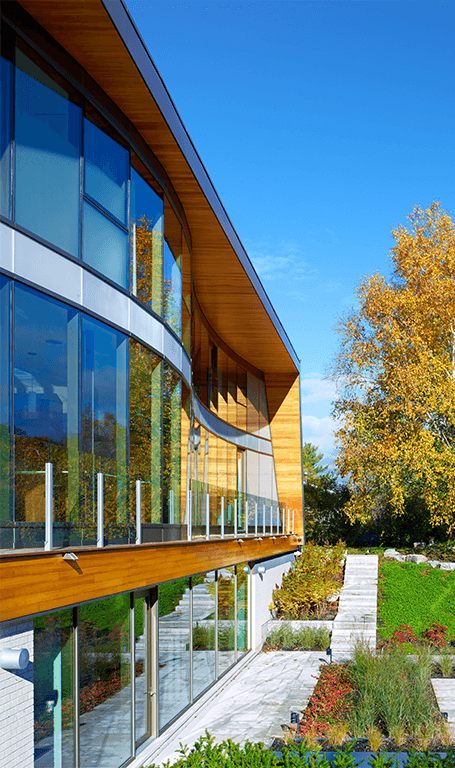
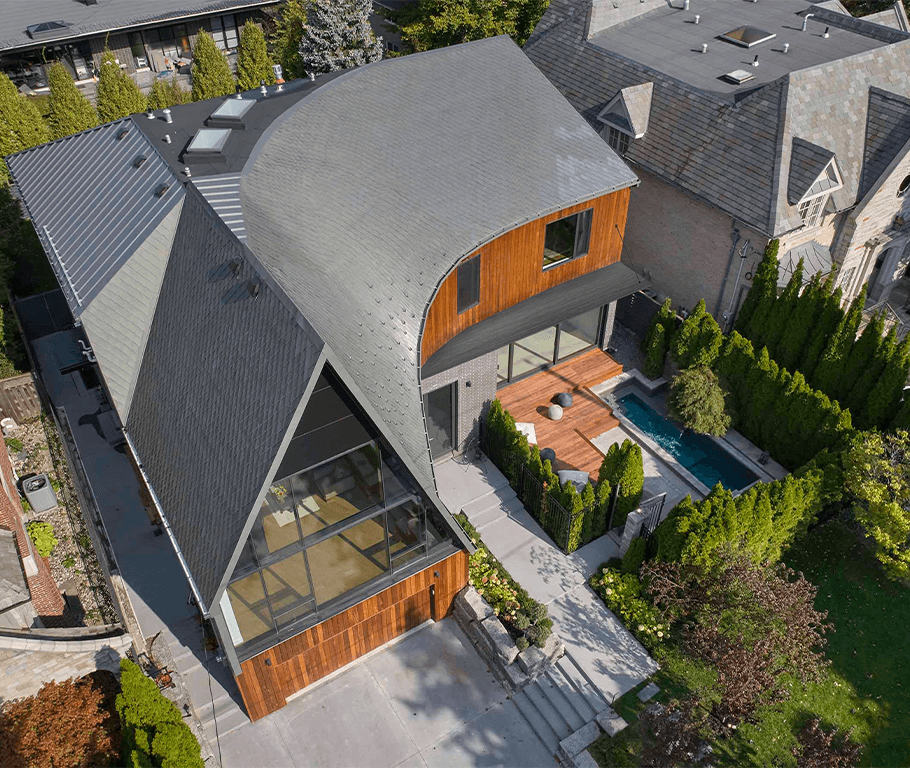
Bézier Curve House began at the initiative of custom home builder Farhad Kazmian, owner of Abond Homes. Kazmian wanted to replace his house in Toronto’s Lawrence Park neighbourhood with a design that would serve as a showpiece for his business. Seeking the antithesis of a “boxy fishbowl” design, he selected Bortolotto for our spirited and sculptural style. 

We took as our starting point the original home’s atypical front courtyard. The family was fond of the lushly landscaped oasis, which included a lap pool. To preserve and make the most of this remarkable private retreat, we began by designing an L-shaped building, with a chalet-style elevation on the west side that balances the courtyard on the east. 

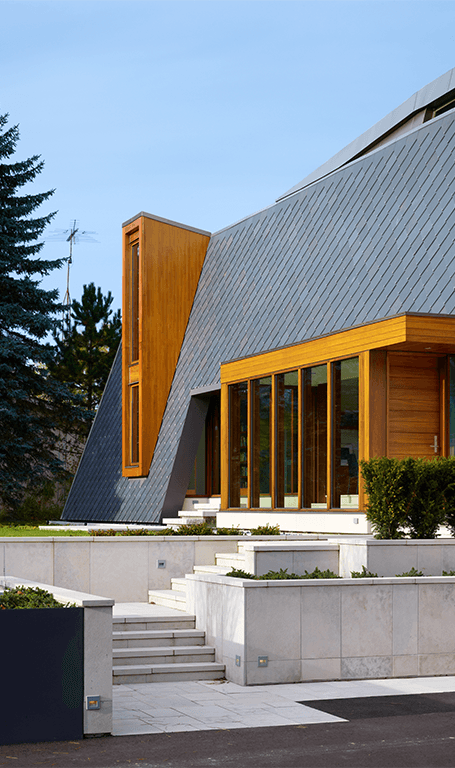
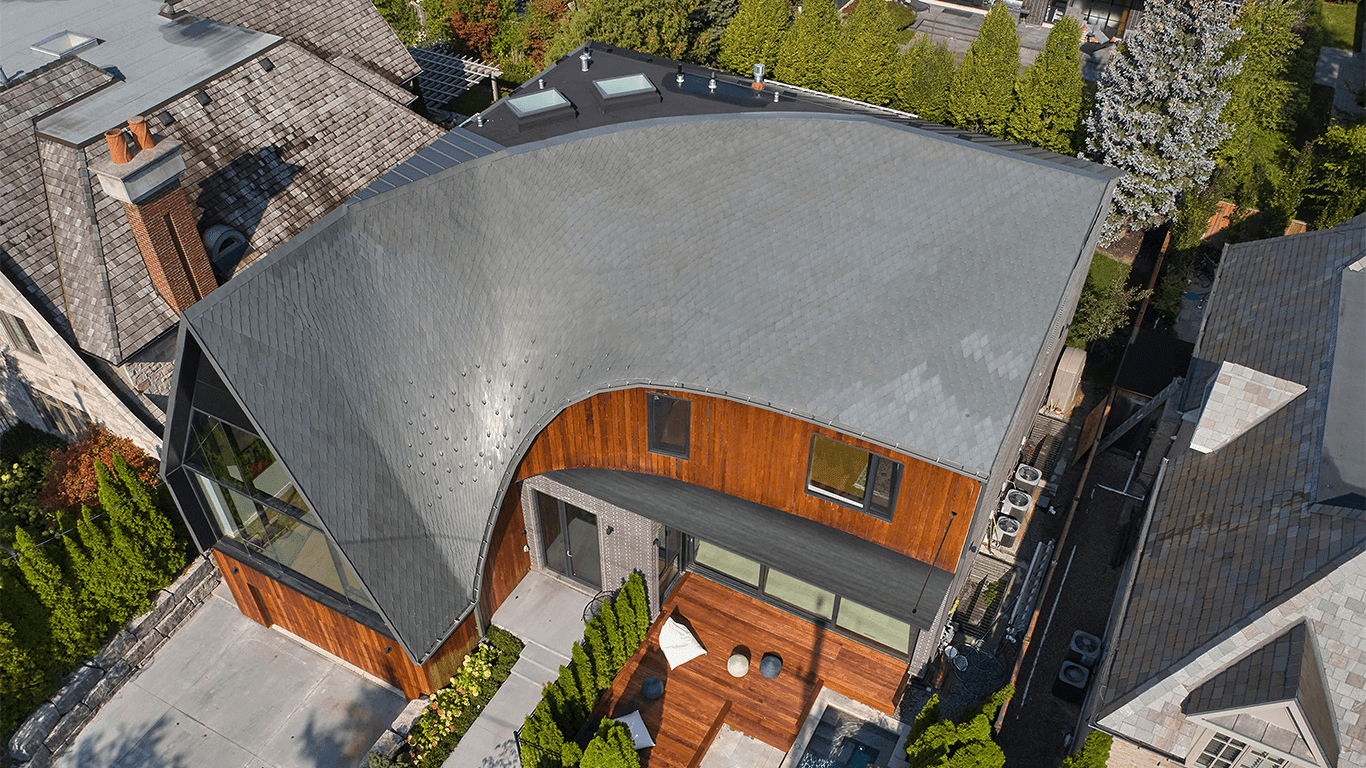
To achieve an organic shape for the roofline and forge a complementary relationship with the Tudor Revival-style home on the adjacent lot, we used Grasshopper software to design a softly curved roof. Named for a Bézier curve — a parametric curve generated by this kind of modelling software — the home is defined by a curvilinear profile that softens the overall architectural form. The sinuous portion of the roof extends outward from the straight edge of the A-frame and cradles the courtyard and front door in three dimensions. Clad with hand-laid, diamond-shaped zinc shingles that sparkle in the sun, the roof conjures a shimmering reptilian body while its rich grey tone blends in with the neighbouring slate roofs. In the valley above the doorway, a series of eye-catching, twisted zinc snow guards form a protective barrier and highlight the dip in the roof.

To bring this roof to life in an economical fashion, the team resorted to old-world techniques. We specified a structure that consists of evenly spaced wood joists that, when tied and pulled to their maximum tension, fan out into a natural curve. At a key juncture inside the home, we left the fanned structure exposed and wrapped it in red oak veneer, creating a sculptural moment that recalls a gothic cathedral while also establishing shapes and palettes that informed other interior elements. The curved central staircase, for example, picks up on the rhythm of the roof rafters while the second-floor hardwood flooring was laid at the same angle as the stair and rafters, splaying throughout the home’s private spaces. Together, these details create a feeling of movement that washes through the house.

The expansive A-frame window on the second floor is also a feat of careful design and engineering. The connection points for its substantial load are tucked within a robust frame that is hidden by tapered fins, giving the front elevation the illusion of lightness. This window provides a playful element from which the family can communicate with the community: they often leave the lights on at night and create seasonal displays, inviting neighbours and passersby to stop and appreciate views into the home’s dynamic architecture.

Project Information

Type
Residential
Location
Toronto, ON
Client
Abond Homes
Year
2021
Size
5,203 sf

Team
Tania Bortolotto, OAA, Lead Design Architect and Principal-in-Charge
Alex Horber, OAA, Project Architect
Brian Muthaliff, OAA
Sarah Fourie, OAA Intern


Finch Avenue Optometry

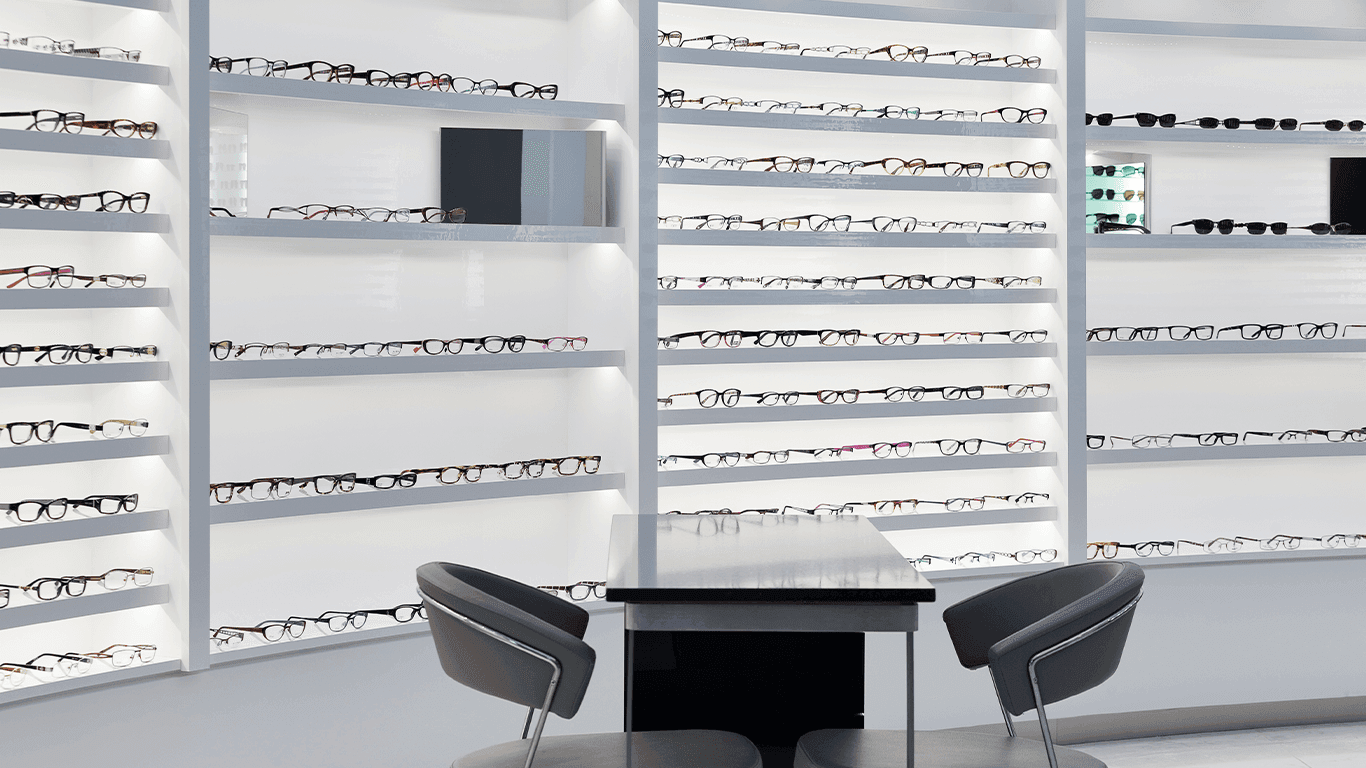
For the interior fit-out of Finch Avenue Optometry, we took cues from ocular shapes and functions as well as the rotund shape of the space to design a luminous double-height retail showroom with sparkling black accents that communicates understated luxury. 

Upon entering the showroom, one is immediately drawn to the prominent ocular installation that cascades down from the ceiling and doubles as a chandelier. Inspired by the biomechanics of the eye and depth of field, the design comprises eight concentric rings, each defined by recessed LED lights, culminating in a mirrored center that emulates the pupil of an eye. This sculptural form creates an organic yet elevated atmosphere while also providing a powerful source of illumination. 

A bank of windows encircles the upper portion of the double-height curvilinear wall, drawing daylight into the heart of the showroom. Below, white lacquer shelving with recessed LEDs transmits a pure light, creating the ideal setting for trying on eyeglasses. The adjacent sunglasses zone glows with backlit glass shelving, ideal for testing shades. These custom displays provide a clean and cohesive appearance regardless of changes to the merchandise, unifying the retail experience so that the different glasses’ shapes, sizes, and colours never overwhelm clients. 

Polished white Cambria stone tile flooring creates a crisp environment while also helping to amplify brightness within the space. We selected sculptural furniture — comfortable, rounded leather chairs in neutral colours that blend with the overall concept and black granite tables that provide accents. Flat-screen monitors incorporated into the wall create a multi-dimensional experience and add further luminosity and dynamism to the store.

Project Information

Type
Commercial
Location
Toronto, ON
Client
Finch Avenue Optometry
Size
3,000 sf

Team
Tania Bortolotto, OAA, ARIDO
Alex Horber, OAA
Jerry Lin, OAA

Awards & Press

Awards
Award of Excellence
ARIDO, 2015

2015 BOY Awards Finalist
Interior Design’s Best of Year Awards, 2015

Lighting Design Awards, International Project of the Year – Interior, Highly Commended
Lighting Magazine, 2015
Press
Lighting Special
Mondo Magazine, 2014

Finch Avenue Optometry
Retail Focus UK, July 2014


Wilson and Wetmore Halls

This project at University of Toronto’s New College was divided into four key initiatives: the creation of new collaboration and socialization space for students in Wilson Lounge; the renovation of office and administrative spaces; accessibility enhancements across buildings; and fire alarm upgrades throughout the residential building. These improvements aimed to enhance student experiences, support academic and social engagement, and strengthen New College’s identity.

The Wilson Lounge was reimagined as a highly flexible space, accommodating studying, dining, and group gatherings of various sizes. Thoughtful design elements, including ample lighting, sound-absorbing materials, and strategically placed power distribution, ensure adaptability and comfort. The addition of collaboration and socialization spaces fosters interaction among students, creating an environment that supports both academic and extracurricular activities.

New College’s ethos of inclusion and collaboration was central to the design process, which hinged on extensive consultation with students, faculty, and staff. Focus groups and committees comprising student leaders, faculty, and facilities staff provided valuable input related to accessibility upgrades and space functionality. Each discrete project had a dedicated subcommittee that weighed in with recommendations and helped us refine the design, ensuring that the final result met the diverse needs of the community.

We synthesized these insights into a comprehensive design strategy, which was presented to a Building Committee made up of executive staff and student representatives. The resulting upgrades not only improve accessibility and administrative efficiency, but also reinforce New College’s commitment to fostering a connected, inclusive, and engaging student environment.

Project Information

Type
Education
Location
Toronto, ON
Client
University of Toronto
Year
2022
Size
8,170 sf

Team
Tania Bortolotto, OAA, ARIDO
Alex Horber, OAA
Jerry Lin, OAA
Sarah Fourie, OAA Intern
Elaine Welsher, OAA Intern
Yukun Bai, Junior Architect

St. Denis Catholic School

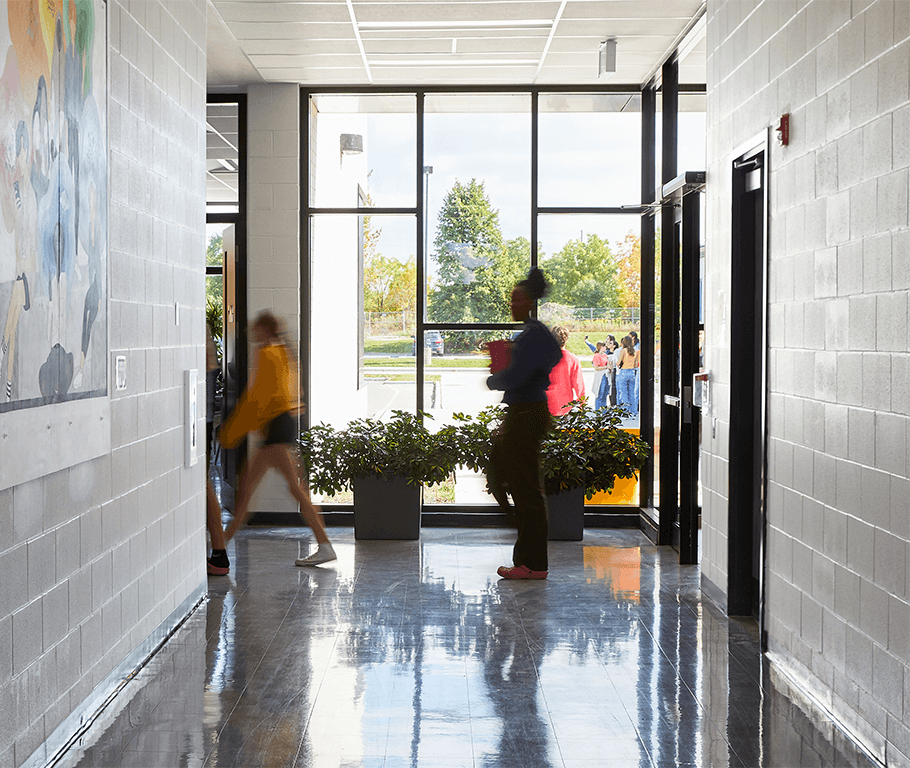
Our design for the addition at St. Denis Catholic School was driven by two key factors: the building’s orientation on the site and spatial constraints related to the property’s small lot size and steeply sloped incline. In order to work with these restrictions, preserve the existing play area, and bypass the logistical complexities of an at-grade addition, which would have compromised the classroom layout in the original building, we arrived at a creative solution: expand the second-storey library and use the surplus existing space to accommodate the new classroom requirements, ancillary spaces, and the corridors required to access the addition. 

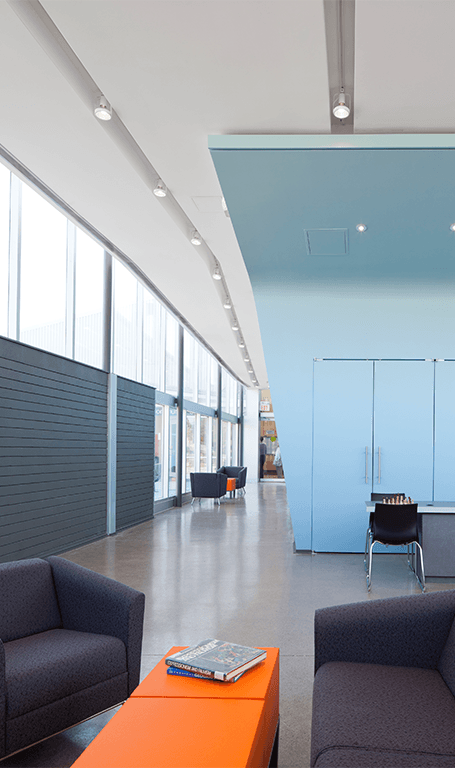
Featuring integrated seating, a wood skin, and an elongated column, the exterior elements of the addition are part of the play space while the interior houses a new library and learning space. Two long bands of windows stretch across the curvilinear body, allowing light to pour into the classrooms. At the elevated level, students have a clear view of the treeline that surrounds the property, reinforcing a connection with nature throughout the day. 

To address the soil conditions and support this second-floor addition, we used deep helical pier foundations to avoid the time and cost required to undertake a large-scale excavation and underpinning of the existing building. In order to install new structural steel and reinforce the foundation of an occupied building, we took great care to devise a phasing and exiting strategy in one wing of the school to minimize disruptions to students, circulation, and the daily school schedule.

Project Information

Type
Education
Location
Toronto, ON
Client
Toronto Catholic School Board
Size
1625 sf

Team
Tania Bortolotto, OAA, Lead Design Architect
Alex Horber, OAA, Project Architect